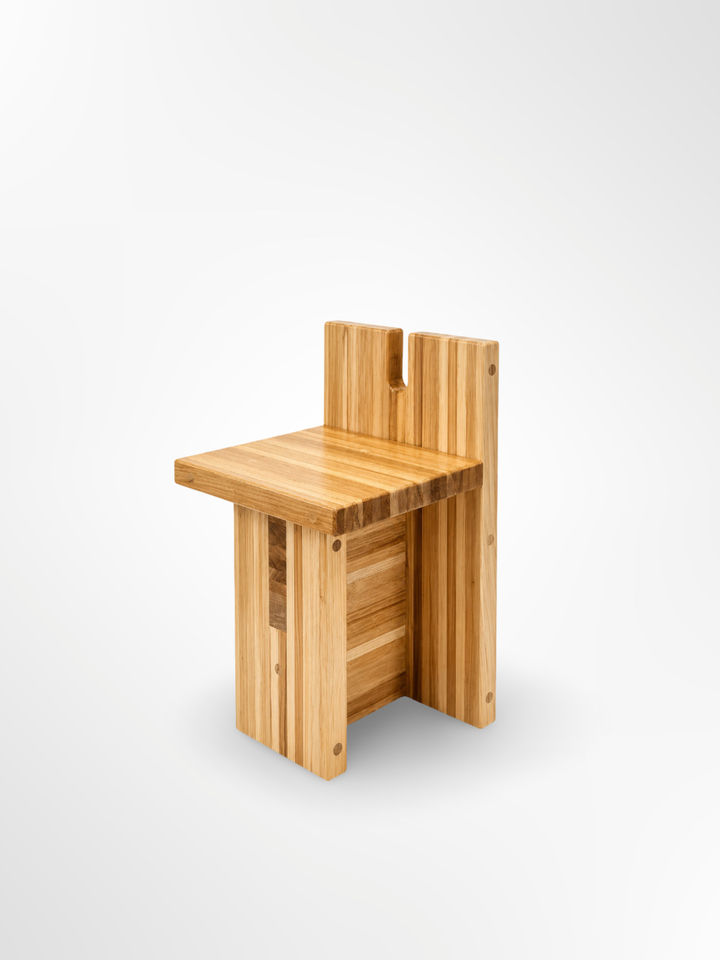
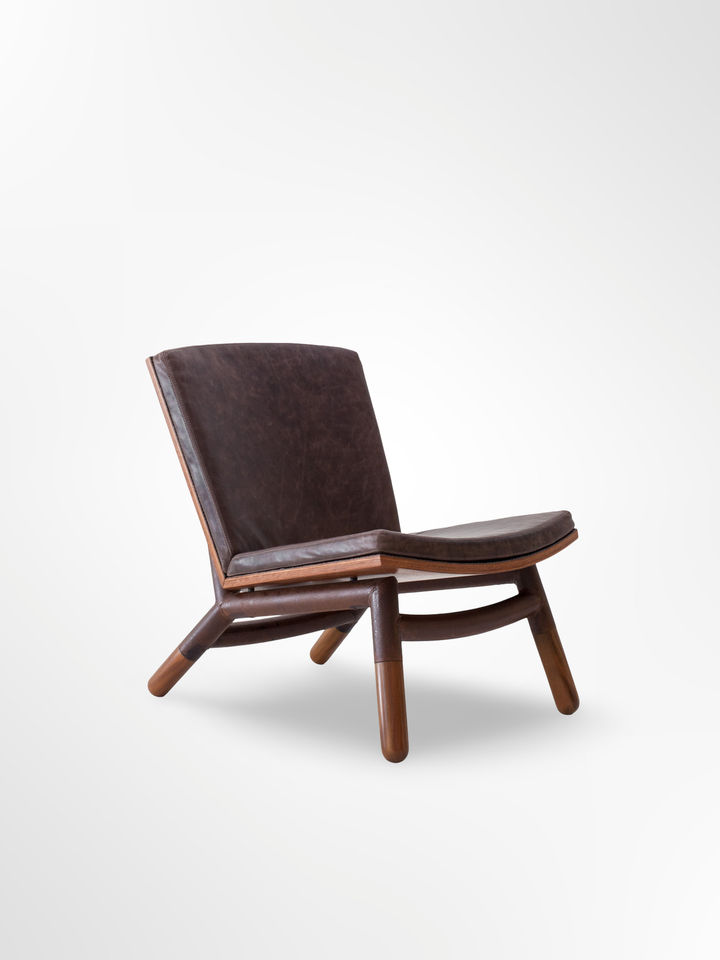
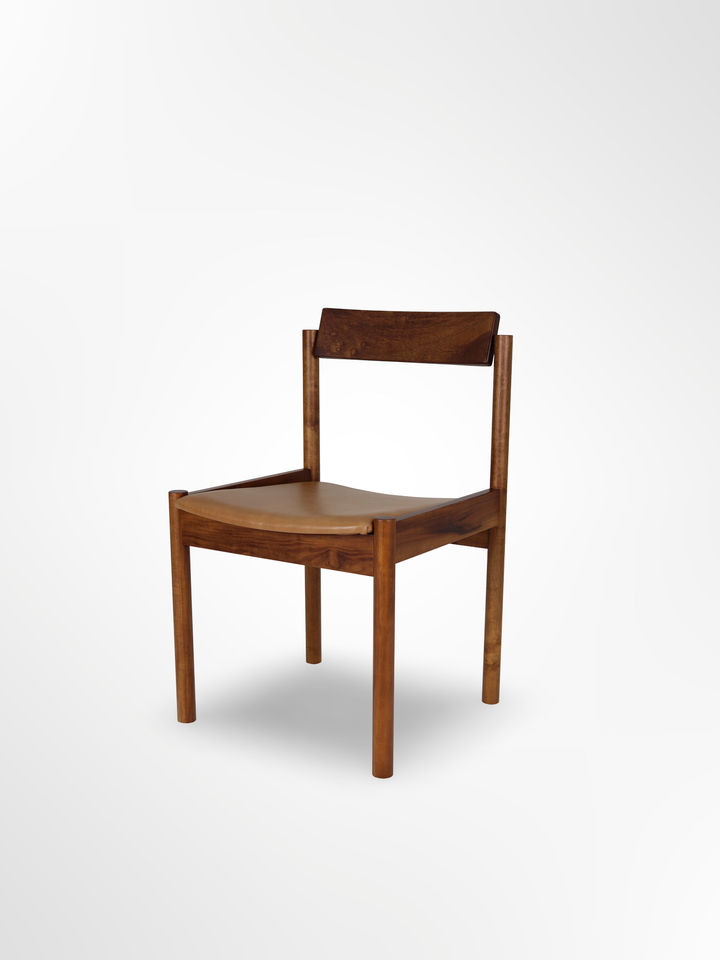
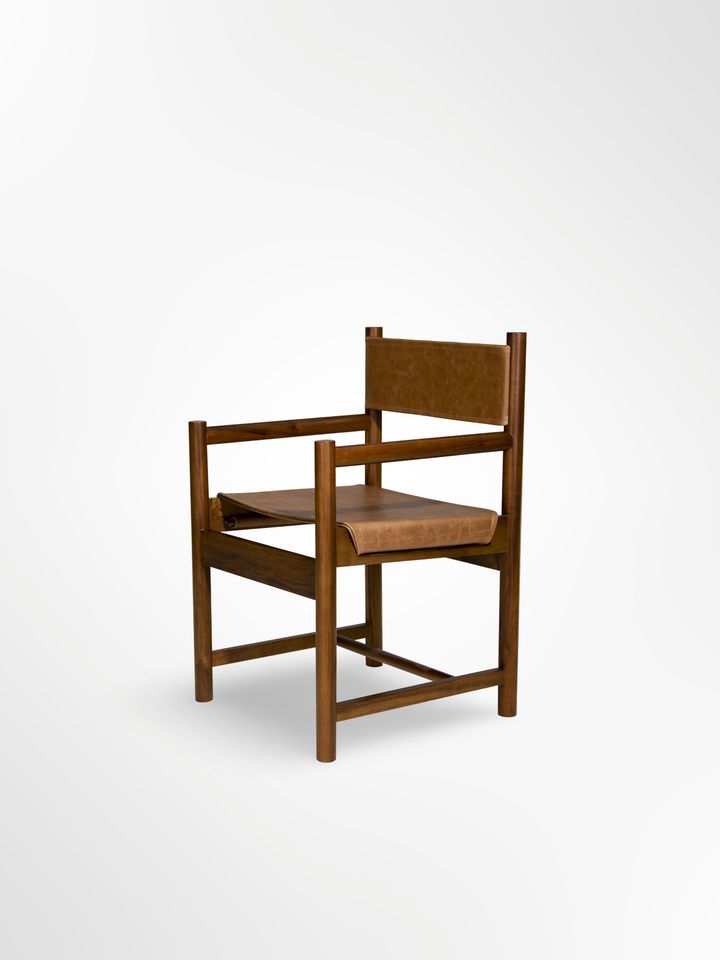
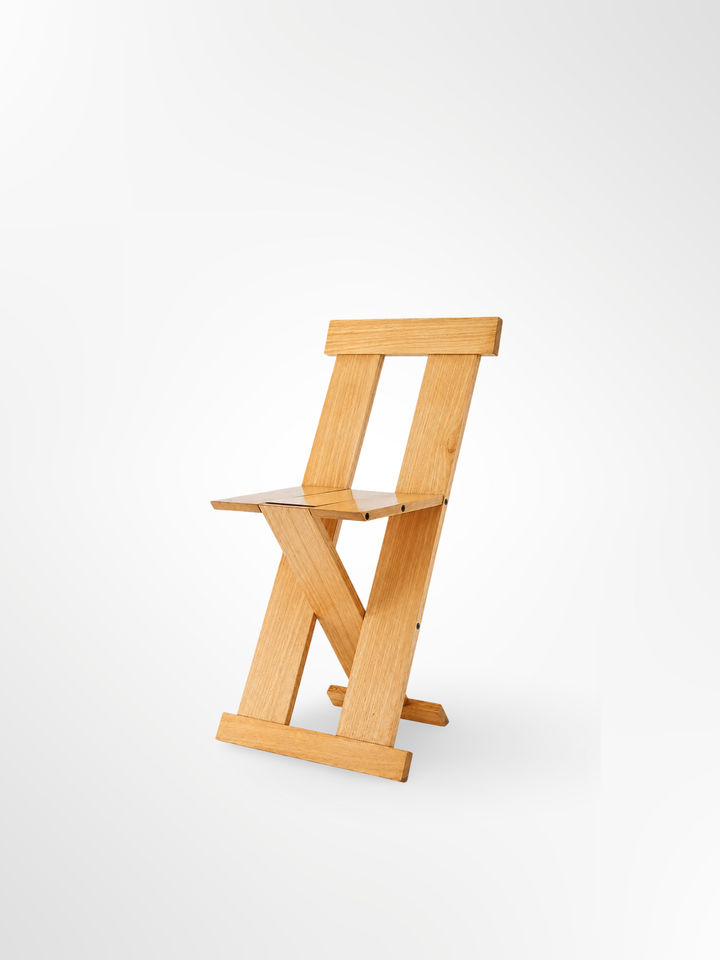
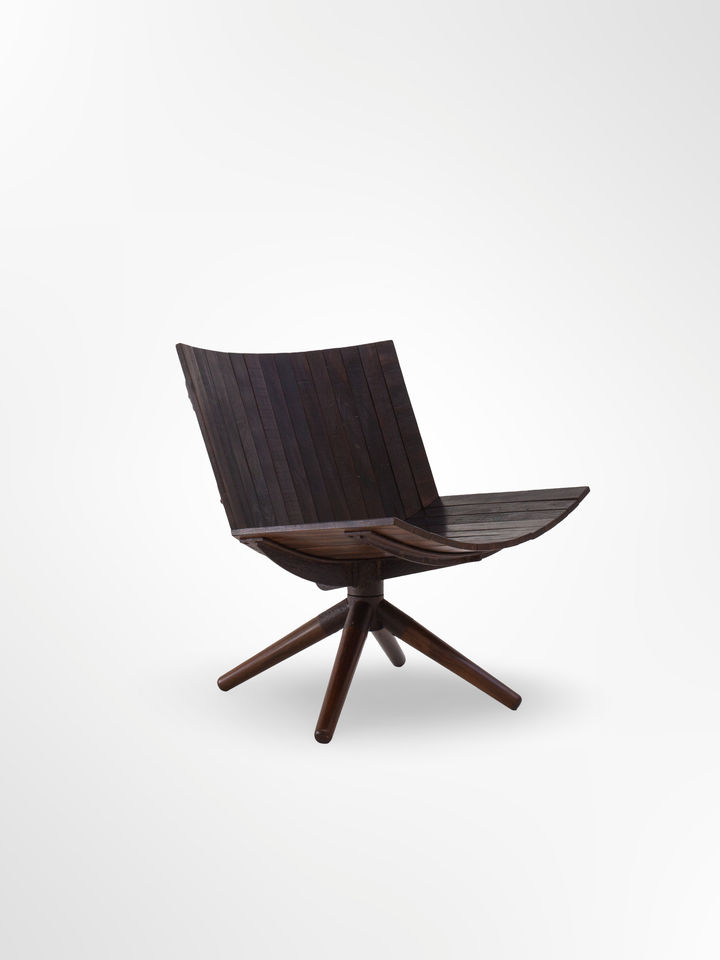
Roman-born Lina Bo Bardi spent her childhood playing in the shadows of the basilica of St. Peter's. As an adult, she undertook classical architectural training at Rome University and later went to work for the offices of the famed Gio Ponti in Milan. Applying herself to numerous disciplines—including object design, architecture, and urban planning—Bardi gained confidence and experience; in 1941 she was appointed editor of Quaderni di Domus, a post that allowed her to conduct research in the field of industrial design and craftsmanship.
Bardi’s greatest achievements, however, came after World War II and were realized in her adopted homeland, Brazil, where she seems to have been destined to live. Traveling with her husband, Pietro Maria Bardi, she first settled in Rio de Janeiro, attracted by the city’s modernism. Later, the Bardis moved to São Paulo, where Pietro was invited to found a museum. Though São Paulo is and was a vast and bustling city, Lina Bo Bardi left an indelible mark on the city's architectural offerings with her square spiral staircase in the Popular Art Museum, the overall design of São Paulo’s Museum of Modern Art (MASP), and many smaller projects. The MASP project, on which she began work in 1957, suffered numerous interruptions in construction. When it was finally completed in 1962, architect Aldo Van Eyck proclaimed that "it is at the same time both large and small, few and many, near and far, simple and complex, open and closed; it will furthermore always be both part and whole and embrace both unity and diversity."
Bardi left her signature on the wider cultural landscape with her dazzling and somewhat surreal stage designs and her ephemeral exhibition design work. Her concepts were organic, and she strove to create buildings, spaces, and pieces whose unique segments could almost stand alone. Her style and design philosophies have received accolades throughout the world, and her works have been shown in many exhibitions both before and since her death in 1992.