
ATTOM represents a movement, an attitude, and a legacy. The name references the word “atom,” the fundamental particle that makes up all matter, while also being the Motta family name spelled backward.
ATTOM was founded in 2017 by two designers, Diego and Carlos Motta, with the idea of developing essential, durable, and comfortable products. It grew out of both the challenge and the commitment to creating things with a high level of quality, prioritizing recycled, repurposed, and certified materials whenever possible.
We began to see its potential as a brand when friends started showing an interest in wearing and using the pieces we had transformed.

Sustainability begins with the relationship we have with ourselves, with the people around us, and with the environment. It lies in researching the materials we use, questioning why a product needs to exist, how it is made, how it is sold, and ultimately, how it is used.
For any product to exist, we need resources and raw materials that come from nature. And to make it, we need people, the hands and knowledge behind its production.
Those two elements, nature and people, are where we concentrate our efforts. They guide us as we look for more sustainable ways to develop and produce our work.
The studio, which is also our store, sits next to the woodworking shop of Atelier Carlos Motta. I grew up watching him develop useful, beautifully finished products made to an exceptional standard. The workshop has tremendous value in the creation and development of ATTOM’s products.
It’s an enormous privilege to have access to that structure and support: to materials, construction techniques, production processes, and a deep knowledge of how products are developed and made. That proximity profoundly influenced both the birth of ATTOM and the ideas behind it.
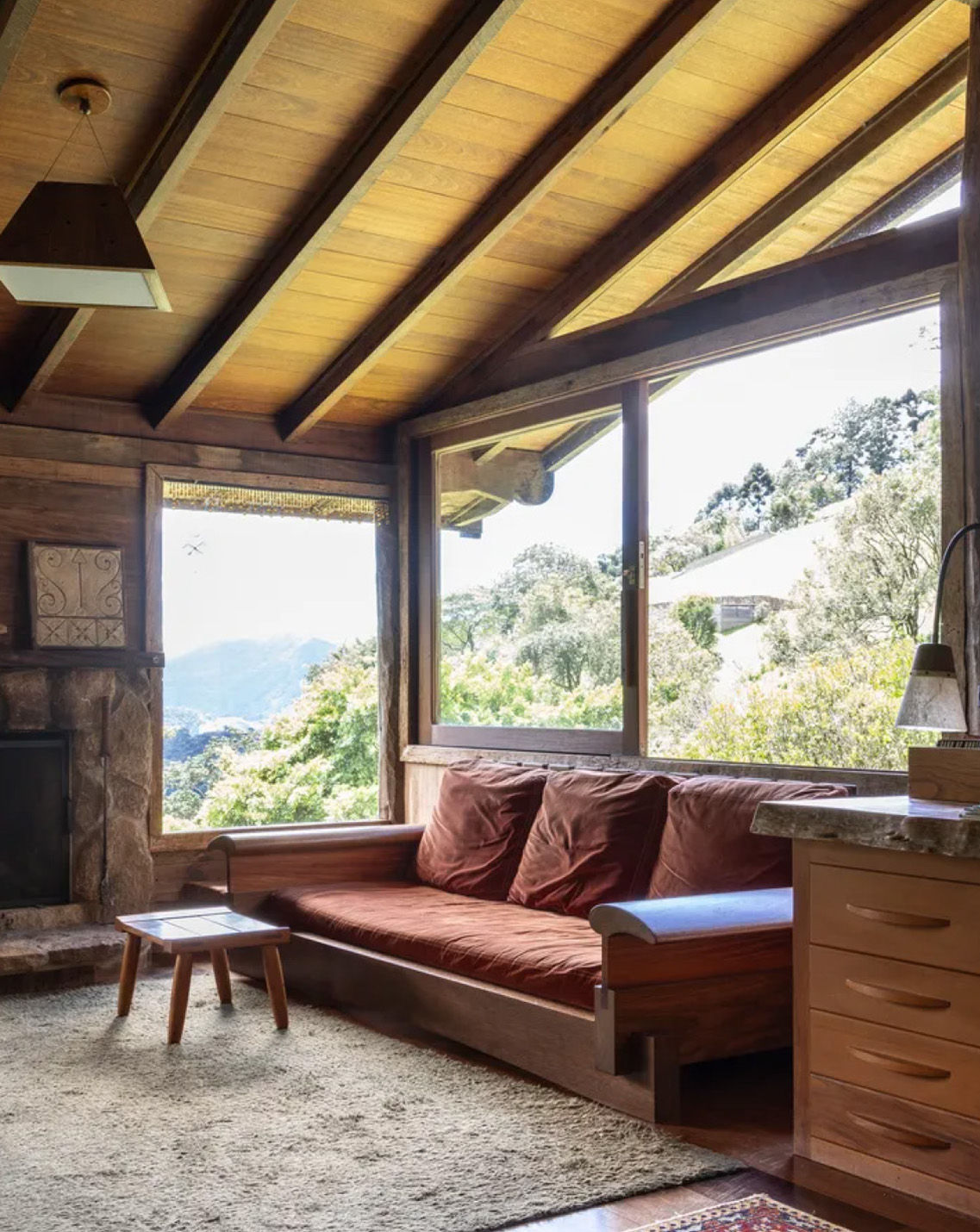
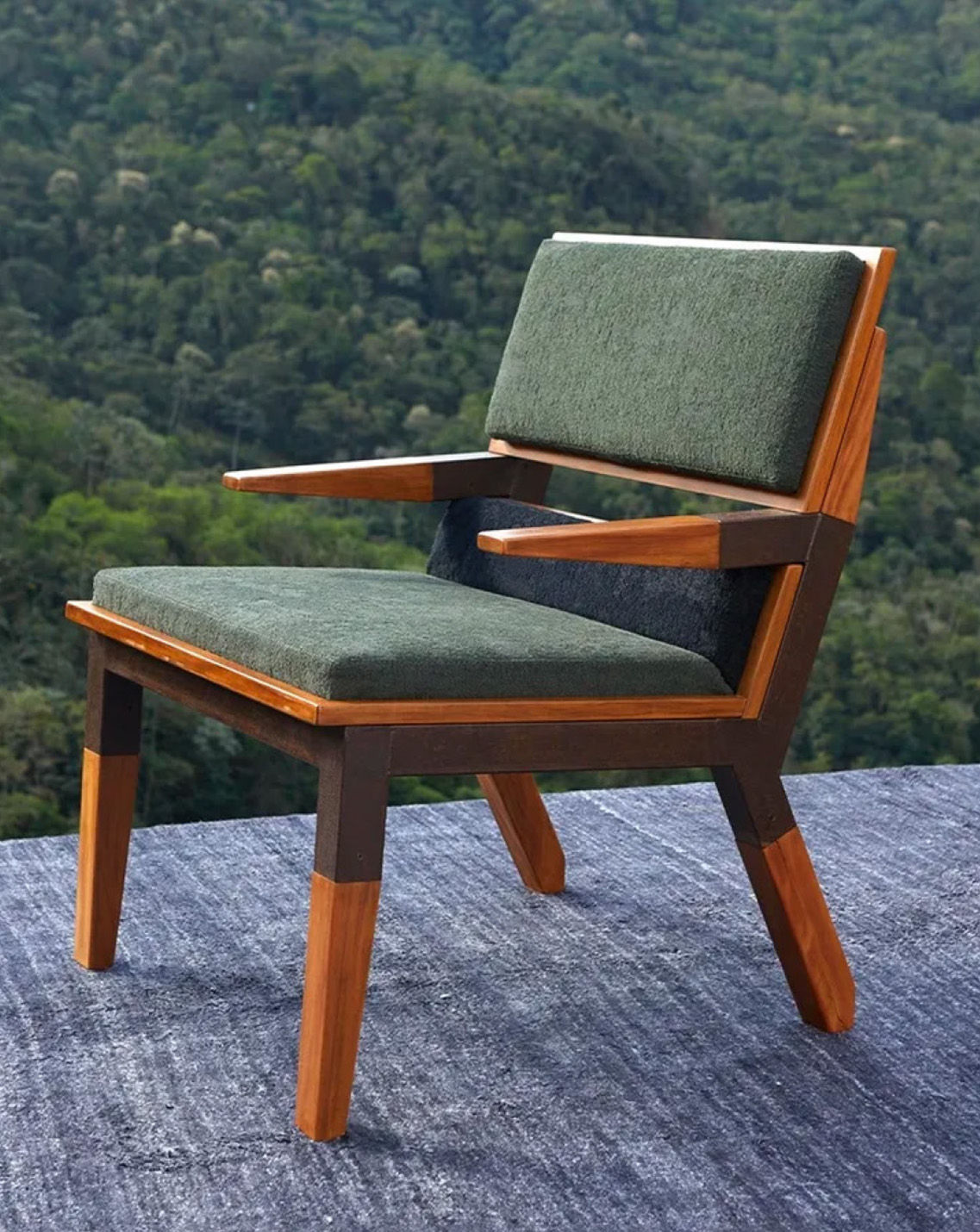
Creating a product is challenging, especially when there are so many qualities to consider at once. Research into materials and construction techniques is fundamental to our creative process. It’s at this stage that we decide whether a piece should be developed at all.
There have been times when we’ve chosen not to make something because we couldn’t find the right material or a responsible way to produce it. Functionality comes from the experience of using an object and from the relationship it creates with the body: How can this product support you? How can it be useful in your everyday life? Design, and its aesthetic dimension, is about finding balance within all of those relationships.
I hope our clients develop an emotional connection with our products. That they feel good using them, and that they feel proud to be partners of the brand and part of this movement with us. When someone buys an ATTOM product, we see them as a partner and as someone who is helping us build the brand alongside us.
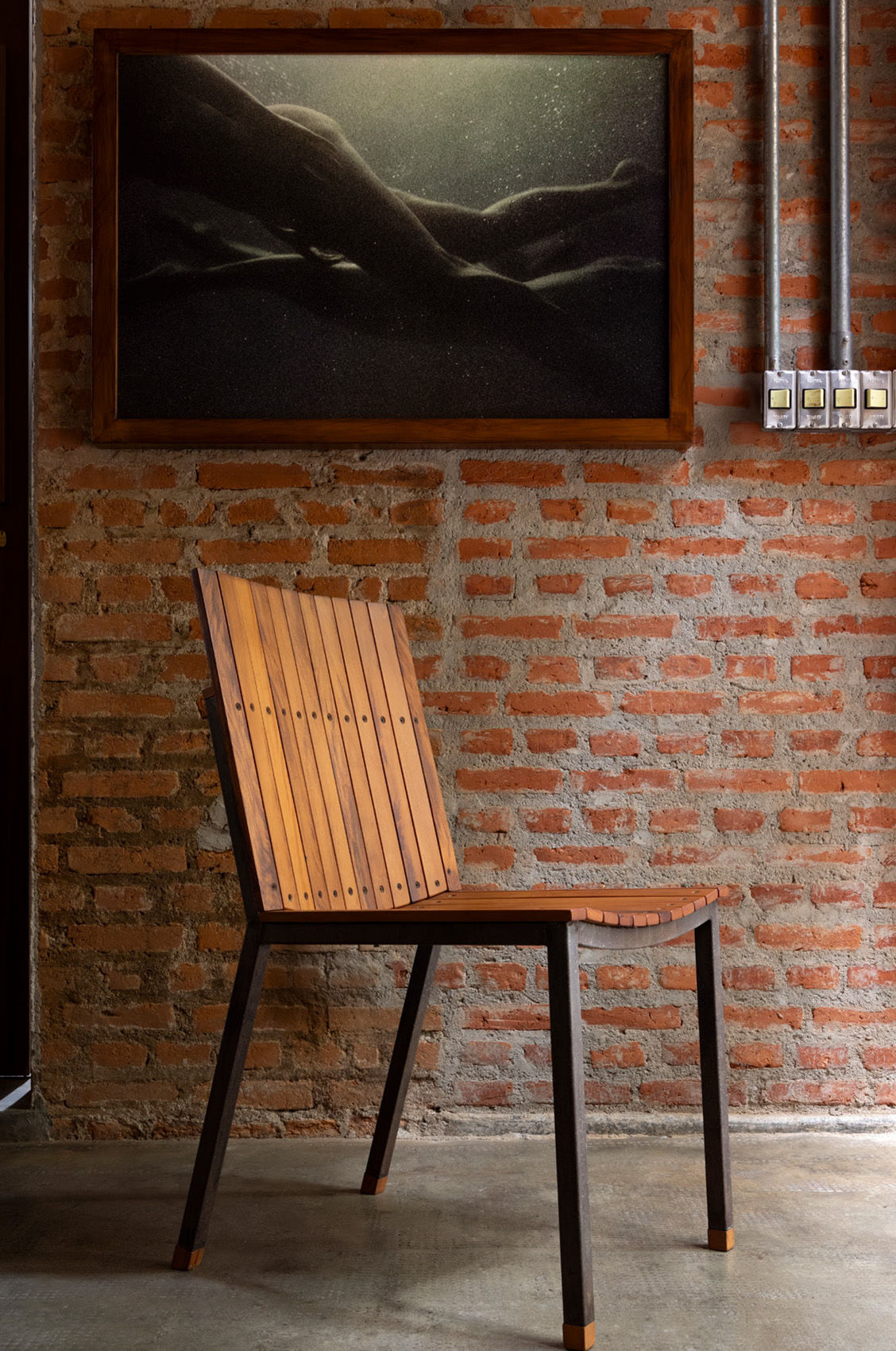
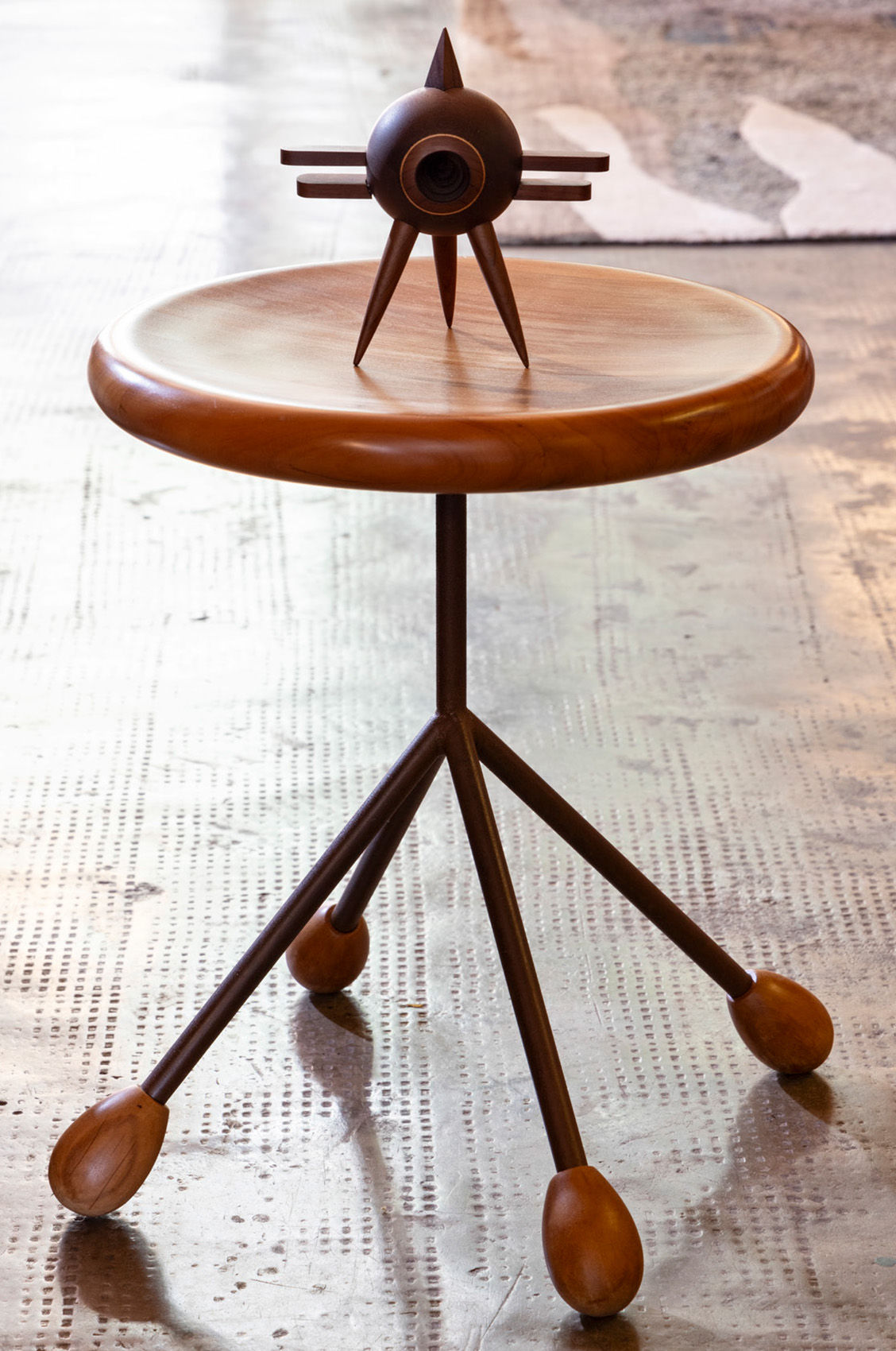
Without a doubt, all of those things have influenced me. Our relationship with nature is one of the most important parts of how we evolve. Through nature, we begin to understand how our bodies work, how things function, their rhythms, their strength.
I had the privilege of developing that relationship from a very young age. My parents have always loved nature and were constantly taking us to the ocean and the mountains.
Spending time within local communities, building relationships with caiçaras and caipiras*, and learning from their experience has been incredible. At the same time, living in a city on the scale of São Paulo means being connected to the intense, dynamic rhythm of a metropolis. It is a major center of production and commerce, and a city with extraordinary potential for developing and making things.
Our approach to developing a product remains the same, whether we’re creating clothing, utensils, furniture, or jewelry. I see clients who bought a T-shirt, wore it for years, and developed an enormous affection for it. They begin to treat it almost like a collectible. No differently from a chair, a piece of jewelry, or a lamp.
When something feels good to live with, that experience creates an emotional connection with the things we choose to keep around us.

Our commitment is to creating products that are truly well resolved. A poorly made product comes at an enormous cost: to the environment, to the people who make it, to those who sell it, and ultimately to those who use it.
A product that is well made, comfortable, and beautiful can stay with you for a very long time. The relationship you develop with it becomes part of the value it carries. When something has enough qualities, when it continues to work, to feel good, and to have meaning, you don’t need to replace it simply because time has passed.
We need fewer things, and better things.
*Caiçaras and caipiras refer to traditional communities deeply connected to the landscapes and cultures of southeastern Brazil. Caiçaras are coastal communities whose ways of life have historically been defined by the sea, fishing, small-scale agriculture, and the Atlantic Forest. Caipiras are associated with the rural interior, particularly São Paulo and neighboring regions, with traditions rooted in farming, craftsmanship, and close relationships with the land. Both embody forms of local knowledge passed down through generations and a way of living closely connected to nature.
Photos by Ruy Teixeira and Layla Motta

